
Ultimate Guide to Concrete Repair Products for Lasting Fixes
Learn about the most effective solutions to address cracks, spalling, and deterioration in concrete surfaces.
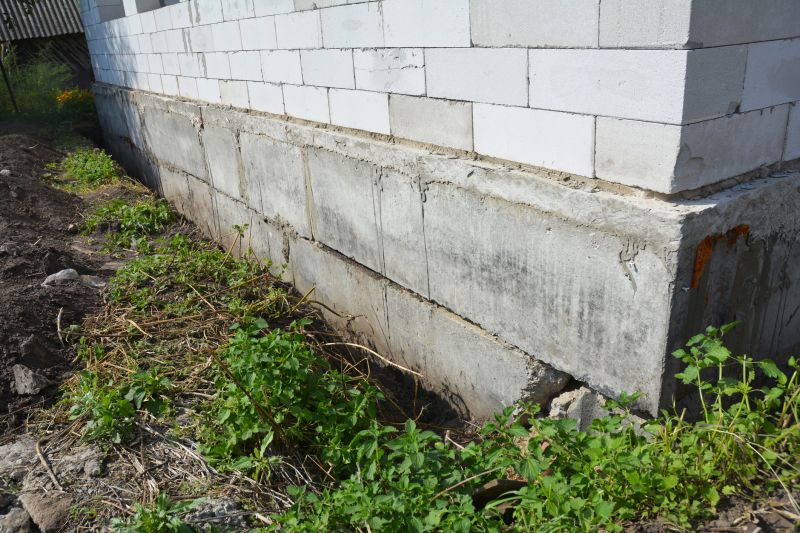 Concrete repair products are essential tools for maintaining the integrity and appearance of concrete surfaces. Whether addressing minor cracks or significant structural issues, selecting the right repair materials can help extend the lifespan of concrete structures. These products come in various forms, including patching compounds, sealants, adhesives, and surface restorers, each suited for specific repair needs. Proper application and the right product choice can ensure a durable, long-lasting fix that restores safety and functionality.
Top Overall Option
Versatile Concrete Repair Compound
This multi-purpose concrete repair compound offers ease of use and adaptability for various repair scenarios. Suitable for filling cracks, patching holes, and restoring surfaces, it provides a durable finish that can be sanded or painted over once cured. Its user-friendly formulation makes it a practical choice for both DIY enthusiasts and professionals seeking reliable results.
Types of Products For Concrete Repairs
Concrete Crack Sealants
Flexible sealants designed to fill and seal cracks in concrete surfaces, preventing water ingress and further damage.
Hydraulic Cement Patching Mixes
Quick-setting mixes suitable for filling larger cracks and holes, especially in structural areas requiring strength.
Epoxy Injection Systems
High-strength epoxy resins used to bond and restore cracked or broken concrete sections, ideal for structural repairs.
Polyurethane Foam Fillers
Expanding foam products that fill voids and stabilize loose or hollow areas in concrete surfaces.
Concrete Surface Restorers
Products designed to restore the appearance of worn or damaged concrete surfaces, including overlays and resurfacing compounds.
Bonding Agents
Primers that enhance adhesion between existing concrete and new repair materials for seamless integration.
Waterproof Sealers
Protective coatings that seal concrete surfaces, reducing water penetration and weather-related damage.
Polymer Modified Mortars
Enhanced mortars with polymer additives for improved adhesion and flexibility in repair applications.
Concrete Patch Mixes
Ready-mixed compounds formulated for quick and effective patching of surface imperfections and holes.
Quick-Set Repair Cements
Fast-curing cements suitable for urgent repairs and small structural fixes.
Surface Coatings and Paints
Specialized coatings designed to protect and beautify concrete surfaces after repairs are made.
Crack Filler Tapes
Flexible tapes used to reinforce crack repairs and provide additional sealing.
Popular Choices
Widely used for sealing cracks and preventing water infiltration, these sealants are popular among homeowners and contractors.
Favored for their quick-setting properties and strength in structural repairs.
Commonly chosen for structural crack repairs due to their bonding capabilities.
Popular for filling voids and stabilizing loose areas in various concrete applications.
Often selected for aesthetic restoration and surface renewal projects.
Trusted for improving adhesion during repair and resurfacing projects.
Commonly used to extend the lifespan of concrete exposed to moisture.
Chosen for their enhanced durability and flexibility in repair work.
Versatile and easy to apply, making them a go-to choice for various patching needs.
Ideal for urgent repairs requiring rapid curing.
Popular for finishing and protecting repaired surfaces.
For small cracks and surface imperfections, ready-to-use patching compounds and sealants are often preferred. These products are designed to fill gaps and create a smooth surface, preventing water infiltration and further deterioration. For larger cracks or structural repairs, more robust solutions like epoxy injections or concrete overlays might be necessary. These options provide additional strength and stability, especially in load-bearing areas.
In addition to repair compounds, surface treatments such as bonding agents and protective coatings can help prevent future damage. Surface sealers can reduce porosity and resist environmental elements, while bonding agents improve adhesion between old and new concrete layers. Proper surface preparation, including cleaning and roughening, is crucial before applying any repair product to ensure optimal bonding and effectiveness.
Choosing the appropriate concrete repair product depends on factors like the size and type of damage, location, environmental conditions, and the desired longevity of the repair. Proper application techniques and adherence to manufacturer instructions play a vital role in achieving the best results. Regular maintenance and timely repairs can significantly prolong the life of concrete structures, saving costs and preventing safety hazards over time.
Key Buying Considerations
- Identify the type and extent of damage to determine the most suitable product.
- Consider the size of cracks or holes and choose a repair material with appropriate filling capacity.
- Assess whether a flexible sealant or rigid patch is needed based on movement in the concrete.
- Check compatibility of repair products with existing concrete surfaces to ensure proper adhesion.
- Evaluate environmental conditions such as exposure to water, freeze-thaw cycles, or chemicals.
- Select products that match the desired finish, whether for aesthetic purposes or structural integrity.
- Review application instructions to ensure ease of use and proper curing times.
- Consider the longevity and durability of the repair material for long-term results.
- Determine if surface preparation, like cleaning or roughening, is required before application.
- Factor in budget constraints while balancing quality and effectiveness.
- Look for products with clear instructions and safety guidelines for safe handling.
- Choose repair solutions that can be applied in various weather conditions if needed.
- Verify whether the product is suitable for interior or exterior use.
- Assess the need for additional tools or accessories, such as trowels or brushes.